
POTS Diet 101: What to Eat, What to Avoid, and How to Reduce Symptoms Through Nutrition
For many people with Postural Orthostatic Tachycardia Syndrome (POTS), symptoms can feel unpredictable, overwhelming, and completely out of your control. But here’s the truth most doctors don’t tell you:
Your diet is one of the most powerful tools you have for reducing POTS symptoms.
While POTS affects your autonomic nervous system, the food you eat influences blood volume, inflammation levels, blood pressure, glucose stability, and overall energy — all of which directly impact how you feel day to day.
This guide breaks down the best foods for POTS, the foods and drinks to avoid, and how to use nutrition to build a calmer, more stable body.
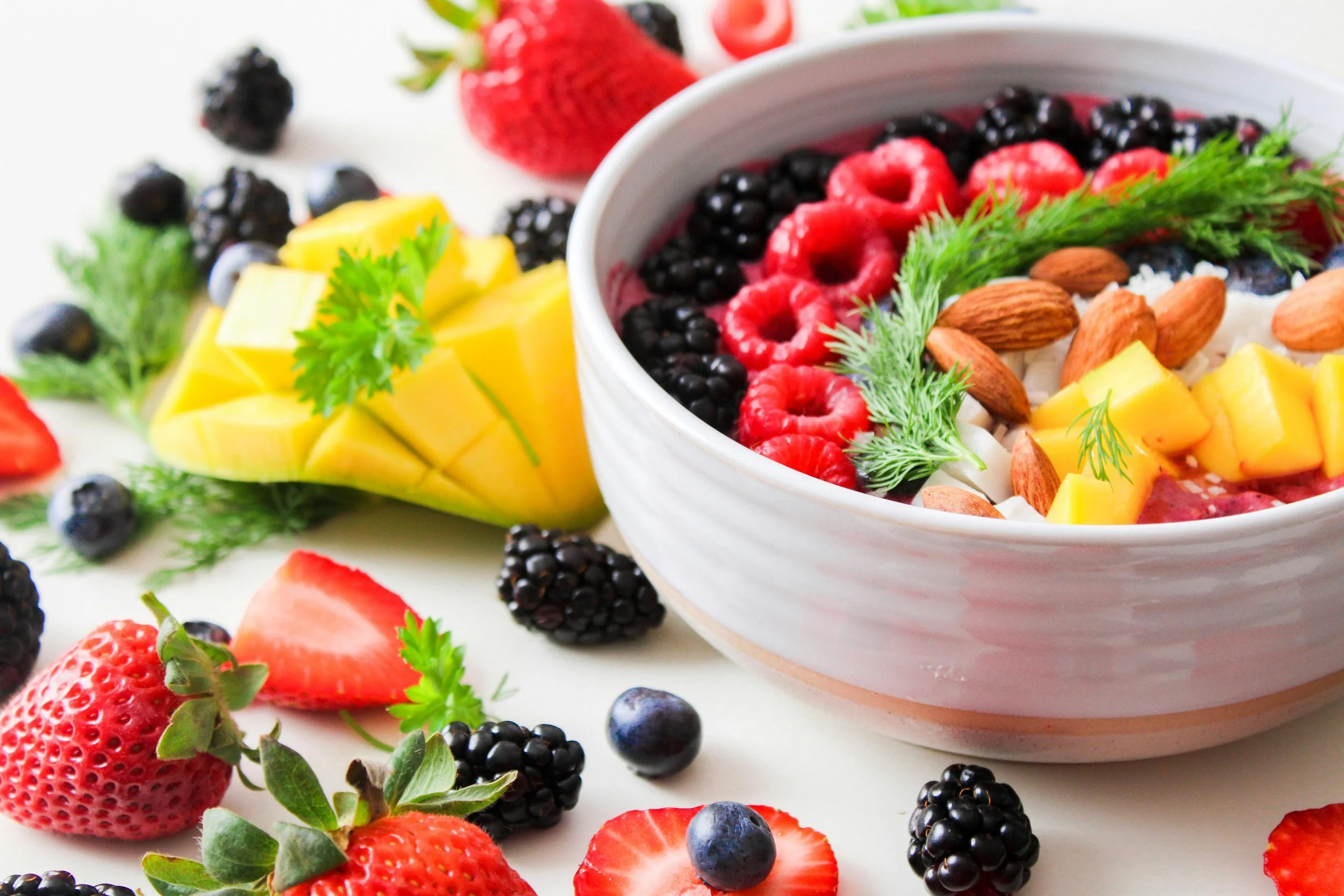
Why Nutrition Matters So Much for POTS
People with POTS often deal with:
• Low blood volume
• Blood pooling
• Rapid heart rate
• Dizziness and fainting
• Fatigue
• Digestive issues
• Inflammation
• Poor temperature regulation
Your diet can either support these systems… or make everything worse.
A targeted POTS nutrition plan can:
• Improve blood volume
• Stabilize blood pressure
• Reduce dizziness and tachycardia
• Regulate blood sugar
• Support nervous system repair
• Reduce inflammation
• Improve digestion
• Increase daily stamina
And the best part?
You don’t need a complicated plan — just the right foundations.
What to Eat for POTS: The Most Helpful Foods
1. High-Sodium Foods (Yes, You Really Need This!)
One of the most well-known nutrition strategies for POTS is increasing sodium.
Sodium helps expand blood volume, supporting circulation and reducing symptoms like dizziness and rapid heart rate.
Great sodium sources for POTS:
• Pickles
• Olives
• Salted nuts
• Broths and soups
• Electrolyte powders
• Salted rice cakes
• Cottage cheese
• Gluten-free pretzels
Most people with POTS aim for 3,000–10,000 mg of sodium per day, depending on medical guidance.
2. Hydration + Electrolytes
Water alone isn’t always enough. You need electrolytes to keep fluid inside your blood vessels. If your gut doesn’t like electrolyte drinks though, stop them right away as they can also irritate your stomach. Don’t overdo it with the electrolytes either, because that can cause POTS symptoms to worsen.
Choose:
• LMNT
• Liquid I.V.
• Cure Hydration
• Gatorade Zero
• Coconut water with added salt
Aim to hydrate consistently — not just when you feel symptoms.
3. High-Protein Foods
Protein keeps blood sugar stable, supports muscle strength, and helps prevent energy crashes.
Focus on:
• Eggs
• Chicken
• Turkey
• Salmon
• Grass-fed beef
• Greek yogurt
• Tofu and beans
• Protein shakes
Every meal should contain 20–35 grams of protein.
4. Complex Carbohydrates
You want carbs that stabilize—not spike—your blood sugar.
Choose:
• Brown rice
• Quinoa
• Potatoes
• Oats
• Chickpeas
• Lentils
• Whole fruits
Avoid sugary carbs that cause a crash.
5. Anti-Inflammatory Foods
Inflammation is a major trigger for POTS flare-ups. Eating anti-inflammatory foods supports calmer nervous system function.
Add these often:
• Berries
• Leafy greens
• Salmon
• Turmeric
• Ginger
• Avocado
• Extra virgin olive oil
• Nuts and seeds
A POTS-friendly diet isn’t just about salt — it’s about supporting your whole system.
Foods & Drinks to Avoid With POTS
This section targets high-volume SEO keywords such as foods to avoid with POTS, POTS diet triggers, and what makes POTS worse.
1. Alcohol (One of the Worst POTS Triggers)
Alcohol is extremely dehydrating and causes blood vessels to widen, which increases dizziness and tachycardia.
Most people with POTS notice an immediate symptom spike after drinking.
For many, quitting alcohol is a game-changing step in feeling better.
2. Excess Caffeine
Caffeine can be tricky — some people tolerate small amounts, but many do not.
Caffeine can:
• Increase heart rate
• Cause adrenaline spikes
• Trigger anxiety-like symptoms
• Disrupt sleep
• Contribute to dehydration
Try reducing caffeine or switching to:
• Half-caf
• Decaf
• Matcha
• Herbal teas (green tea, peppermint, ginger, rooibos)
3. Inflammatory Foods
These tend to worsen fatigue, pain, digestive problems, and nervous system dysfunction.
Avoid or reduce:
• Processed sugar
• Seed oils (canola, vegetable, soybean)
• Artificial sweeteners
• Fried foods
• White flour and processed snacks
• Fast food
• Dairy (if sensitive)
• Gluten (if sensitive)
An anti-inflammatory diet can significantly reduce daily symptoms.
4. Large, Heavy Meals
Big meals pull blood into your digestive tract, causing dizziness and fatigue.
Instead, eat:
🍽️ 4–6 small meals throughout the day.
5. Very Low-Carb Diets
Low blood sugar = worse POTS symptoms.
You need carbs to maintain energy and blood pressure.
Balanced carbs > restrictive dieting.
Sample 1-Day POTS-Friendly Meal Plan
Breakfast
• Greek yogurt
• Berries
• Gluten-free granola
• Green Tea
Lunch
• Chicken and rice bowl
• Avocado
• Spinach
• Olive oil + sea salt
• Salted pretzels on the side
Snack
• Protein shake
• A handful of salted almonds
Dinner
• Salmon
• Roasted potatoes
• Steamed broccoli
• Bone broth
Evening Support
• Herbal tea (no caffeine)
This structure keeps blood sugar stable, increases salt intake, reduces inflammation, and supports steady energy.
A POTS-focused diet doesn’t have to be restrictive or stressful. It’s about supporting your nervous system so your body can function with more stability and less chaos.
With the right nutrition plan, many people experience:
• Fewer dizzy spells
• Reduced tachycardia
• Less fatigue
• More stable energy
• Improved digestion
• Better temperature control
• More confidence in daily life
And you don’t have to do it alone.
If you’re ready for personalized guidance, symptom tracking, meal planning, and support…